
Subscribe
Follow TNM’s WhatsApp channel for news updates and story links.
Concerns over the supply of smaller eggs to Anganwadi centres in Hyderabad have emerged in a new study examining the city’s egg supply chain. Researchers have warned that weak food safety oversight and poor storage infrastructure could undermine nutrition programmes aimed at reducing child stunting in low-income communities.
The study, conducted under the UKRI-funded Global Challenges Research Fund Action Against Stunting Hub (AASH), was published in April 2025. Researchers from London’s Royal Veterinary College, Hyderabad’s ICMR-National Institute of Nutrition (NIN), and four other institutes examined the egg supply chain in the low-income settlements of Addagutta and Warasiguda in Hyderabad.
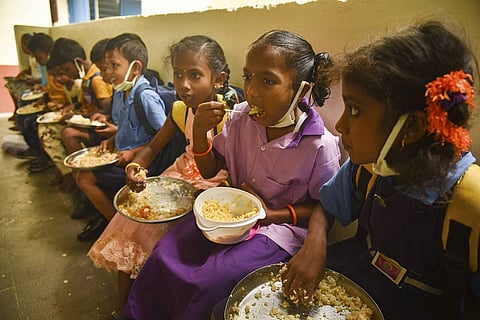
The study raised concerns over the supply of smaller eggs to Anganwadi centres, which provide supplementary nutrition to children. Some industry representatives alleged that traders and suppliers profit by diverting smaller eggs to government schemes while charging standard rates.
Researchers traced the egg supply chain from local retailers used by pregnant and lactating mothers back to traders, wholesalers, and poultry farms. Interviews with retailers, farmers, traders, and industry representatives revealed that the sector largely functions without formal quality standards or strong regulatory enforcement.
Instead, transactions are driven by verbal agreements and long-standing relationships among actors in the supply chain. Researchers found that “trust was often substituted for inspections or certification”, even amid concerns about contamination, antibiotic residues, and poultry feed quality.
One major concern identified was the commercial use of cracked eggs. Damaged eggs are routinely sold at lower prices to food stalls and restaurants or consumed by workers and households within the supply chain. Although many stakeholders said cracked eggs are boiled before consumption to reduce contamination risks, researchers warned that cracked shells can allow pathogens such as Salmonella to enter the egg, creating potential health risks for children through inadequate cooking or cross-contamination.
The study also highlighted seasonal risks. Egg consumption was reported to decline during the summer months because consumers associate eggs with increased “body heat” and because spoilage rises sharply in the absence of refrigeration. Most actors in the supply chain do not use cold storage or refrigerated transport, with supermarkets being a rare exception.
The study further noted that high temperatures shorten egg shelf life from up to two months in winter to as little as one to two weeks in summer. The lack of a cold chain not only increases spoilage but may also reduce egg quality and encourage bacterial growth.
