
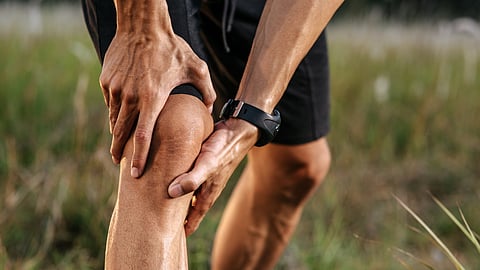
Joint Pain, Robotic Surgery, and Sports Injuries: What You Should Know About Orthopaedic Care
Joint pain is a common problem that many people experience at some point in their lives. Often, people assume the pain will resolve with rest or over-the-counter medication. However, persistent pain can signal an underlying issue that requires medical attention.
Pain is often the body’s way of indicating that something is wrong. If the discomfort does not settle after rest or basic medication and begins affecting daily activities such as walking, climbing stairs, or performing routine tasks, it may be time to seek medical advice.
Early evaluation can help identify the cause of the pain and prevent the condition from progressing. Addressing joint problems early can also reduce the risk of complications and improve long-term mobility.
Understanding when surgery is necessary
Not every case of joint pain requires surgery. In fact, many orthopaedic conditions can be managed effectively with non-surgical treatments, particularly in the early stages.
Common treatment options include:
Physiotherapy and strengthening exercises
Lifestyle modifications
Weight management
Pain relief medication
Joint injections or biological therapies
Surgery is generally considered only when these treatments fail to relieve symptoms or when joint damage significantly affects a person’s quality of life.
Typical indications for joint replacement surgery include persistent pain that does not respond to medication, severe arthritis, deformity in the joint, or difficulty performing everyday activities such as walking or standing.
Age alone is not always the deciding factor. While joint replacement procedures are often associated with older adults, younger patients with severe joint damage may also require surgical treatment.
How robotic-assisted joint replacement works
Robotic-assisted joint replacement is one of the technological advances transforming orthopaedic surgery. Despite common misconceptions, robots do not perform these surgeries independently.
Instead, robotic systems assist surgeons by providing precise guidance during the procedure.
Before surgery, detailed imaging scans are analysed to plan the operation. This planning helps determine the ideal placement of implants and the exact areas that require correction.
During the surgery, a robotic-assisted arm helps execute the plan with a high level of accuracy. The surgeon remains fully in control throughout the procedure, using the robotic system to enhance precision.
This technology allows for more accurate implant positioning, which may improve surgical outcomes and reduce the margin of error.
Faster recovery with modern surgical techniques
Orthopaedic surgery has evolved significantly in recent years. Traditional joint replacement procedures often required hospital stays of five to seven days and extended rehabilitation.
Today, many hospitals follow “fast-track” joint replacement protocols designed to accelerate recovery.
These protocols involve careful pre-surgery preparation, including physiotherapy and health assessments. Patients are often encouraged to begin moving on the same day as the surgery.
As a result, many patients can return home within 24 to 48 hours after their procedure. Early mobilisation also helps reduce complications and speeds up rehabilitation.
However, fast-track procedures are not suitable for everyone. Doctors typically evaluate a patient’s overall health, including heart conditions, kidney function, and other medical factors before recommending this approach.
Preserving joints instead of replacing them
In some cases, joint preservation procedures can help patients avoid full joint replacement.
These treatments focus on repairing damaged cartilage or addressing specific areas of joint damage rather than replacing the entire joint.
Techniques such as cartilage repair and partial joint replacement can help restore joint function while maintaining as much of the natural joint as possible.
Such procedures are particularly useful for patients whose joint damage is limited to one area.
Common sports injuries affecting joints
With more people participating in sports and fitness activities, sports-related injuries have also become more common.
The type of injury often depends on the sport involved.
Field sports such as football frequently result in knee injuries, including:
ACL (anterior cruciate ligament) tears
Meniscus injuries
Racket sports and activities involving repetitive arm movements often lead to shoulder problems, such as cartilage tears or shoulder impingement.
Many of these injuries are treated using arthroscopic surgery, a minimally invasive technique that allows surgeons to treat joint problems through small incisions using a camera and specialised instruments.
Because arthroscopy is less invasive than traditional surgery, patients often experience reduced pain, minimal blood loss, and quicker recovery.
Repetitive stress injuries in modern workplaces
Joint pain is not limited to athletes. Sedentary lifestyles and prolonged computer use have led to a rise in repetitive stress injuries.
These conditions are particularly common among people who work long hours at desks or on laptops.
Common examples include:
Tennis elbow
Golfer’s elbow
Wrist tendonitis
Carpal tunnel syndrome
Neck and lower back pain
Poor posture is one of the main contributing factors. Bending forward while using laptops or phones places excessive strain on the neck, shoulders, and back.
Maintaining proper ergonomics can significantly reduce these risks. Keeping the back straight, positioning the keyboard at arm level, and using chairs with proper lumbar support can help prevent strain on joints and muscles.
Regular breaks and stretching exercises during long work sessions are also essential.
The importance of exercise and healthy habits
Regular exercise is one of the most effective ways to maintain joint health.
Physical activity strengthens muscles around the joints, improves flexibility, and helps maintain a healthy body weight. Excess weight places additional pressure on joints, particularly the knees.
Simple activities such as walking, stretching, yoga, or recreational sports can help maintain mobility and prevent joint problems.
Experts recommend incorporating exercise into daily routines—even short stretching sessions during work hours can make a difference.
Separating myths from facts
There are several misconceptions surrounding orthopaedic conditions and surgeries.
One common myth is that joint replacement is only for elderly individuals. In reality, younger patients with severe joint damage may also require surgical treatment.
Another misconception is that people cannot lead active lives after joint replacement surgery. Modern surgical techniques and rehabilitation programs often allow patients to return to normal activities once recovery is complete.
Similarly, robotic-assisted surgeries are sometimes misunderstood as being performed by machines alone. In practice, robotic systems simply assist surgeons by improving accuracy and precision.
Listening to your body
Ultimately, joint pain should not be ignored or accepted as a normal part of aging.
Seeking medical advice early, maintaining an active lifestyle, and addressing risk factors such as poor posture or excess weight can help prevent long-term joint problems.
Movement plays a vital role in overall health, and maintaining healthy joints allows people to continue enjoying their daily activities without pain or restriction.

Dr Madhan Thiruvengada
Orthopaedic Surgeon
Apollo Hospitals, Chennai