
Subscribe
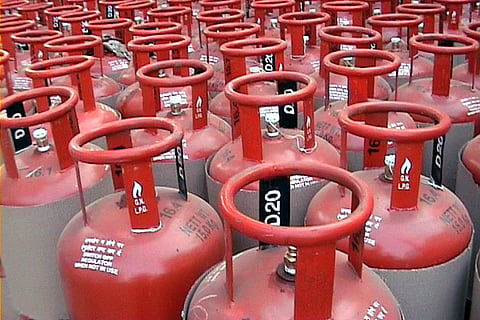
Domestic cooking gas prices have been increased across India, with effect on Saturday, March 7. A 14.2-kg household LPG cylinder now costs Rs 60 more, while commercial cylinders have become costlier by about Rs 114.5.
According to Indian Oil Corporation, the price of a non-subsidised domestic LPG cylinder in Delhi has risen from Rs 853 to Rs 913. Similar increases have been reported in other major cities. The price in Mumbai has gone up to Rs 912.50, while in Kolkata it is around Rs 939. In Chennai, the revised price stands at Rs 928.50 per cylinder.
Commercial LPG cylinders used by restaurants and hotels have also become more expensive. In Delhi, the price of a 19 kg cylinder has increased from Rs 1,768.50 to Rs 1,883. In Mumbai, it now costs Rs 1,835, while prices are about Rs 1,990 in Kolkata and Rs 2,043.50 in Chennai.
Prices of commercial cylinders are revised monthly based on international fuel costs. They were last increased by Rs 28 per cylinder on March 1 and have risen by Rs 302.5 in the last three months, from Rs 1,580.5 in December 2025.
Officials said the revision reflects pressure on global energy markets linked to the ongoing conflict in West Asia, which has disrupted supply chains and pushed up oil and gas prices. India imports more than 60% of its LPG requirement and nearly 85-90% of shipments pass through the Strait of Hormuz, a key route for global energy flows, that has been affected by tensions and warnings issued to vessels in the region.
The development also comes a day after the government invoked emergency powers under the Emergency Commodities Act, 1955 and directed refineries to increase LPG production for domestic consumers due to supply constraints arising from the conflict. In 2024-25, India consumed 31.3 million tonnes of LPG, while domestic production stood at 12.8 million tonnes.
Officials said domestic LPG prices are linked to international benchmarks such as the Saudi Contract Price. Even though the benchmark rose by about 16% between November 2025 and February 2026, domestic LPG prices had remained unchanged during that period. Despite the latest revision, officials said prices are still lower than the market-determined rate of about Rs 987 for a 14.2-kg cylinder in Delhi in March 2026.
Beneficiaries of the Pradhan Mantri Ujjwala Yojana will continue to receive a subsidy of Rs 300 per cylinder for up to 12 refills annually. Under the revised price, Ujjwala beneficiaries will pay around Rs 613 per cylinder. The scheme currently covers about 10.5 crore households among the country’s 33.3 crore LPG consumers.
Officials said the government has attempted to shield households from volatility in international energy markets, noting that state-owned oil marketing companies absorbed losses of around Rs 39,000 crore in 2024-25 to keep domestic LPG prices lower, while the government compensated them with about Rs 30,000 crore.
Petroleum and Natural Gas Minister Hardeep Singh Puri sought to reassure consumers that fuel availability remains stable. “Our priority is to ensure the availability of affordable and sustainable fuel for our citizens, and we are doing it comfortably. There is no shortage of energy in India, and there is no cause of worry for our energy consumers,” he said.
Opposition leaders criticised the hike, arguing that households already facing inflation would be further burdened. Congress president Mallikarjun Kharge said the government had failed to protect consumers from rising prices and alleged that benefits from earlier declines in global crude prices were not passed on. “First, the benefits of lower international prices were snatched from the public. Now, the sweat of the people is being extracted under the burden of inflation,” he said.
Officials maintained that there would be no immediate revision in retail petrol and diesel prices as oil marketing companies have enough cushion to absorb fluctuations in crude oil rates.
