
Subscribe
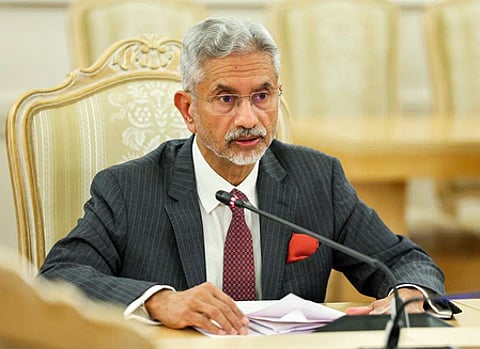
External Affairs Minister S Jaishankar has warned that a major global food crisis could hit in the coming months, driven by severe fertiliser shortages, blocked grain shipments, and ongoing wars. Speaking at an Asia Society event in New York, Jaishankar said expanding conflicts in eastern Europe and West Asia are squeezing trade routes and hitting developing nations the hardest.
Jaishankar pointed out that key grain exporters are struggling to ship supplies through the Black Sea, while major fertiliser producers in Russia and West Asia face heavy production and transit disruptions. Combined with tight energy markets, capital flight, and extreme weather patterns like El Niño, he said the global economy is facing a combined squeeze on food, fuel, fertiliser, and finance. He also criticised richer nations for taking self-centred policy decisions that ignore the basic needs of vulnerable countries.
The Minister’s statements quickly triggered sharp reactions from domestic opposition parties, who accused the Union government of using global problems to cover up internal mismanagement. Led by the Congress, opposition leaders questioned whether India has enough safeguards in place to protect its own farmers and consumers from the fallout.
Opposition members demanded clear data from the Union Agriculture Ministry on national stocks of essential fertilisers, particularly Urea and Di-ammonium Phosphate (DAP), ahead of the upcoming sowing season. They argued that while the Centre speaks about global risks on foreign platforms, local farmers are already dealing with high input costs and irregular supply. Critics also questioned the government's trade policies, warning that allowing grain exports while predicting a global shortfall could push up food prices at home. They called for direct subsidies and immediate relief measures to protect small farmers from rising costs and bad weather.
Government officials pushed back against the criticism, stating that India's domestic buffer stocks for major foodgrains like rice and wheat remain comfortably above required safety limits. Official sources added that long-term import deals are already in place to keep fertiliser supplies steady. However, with global trade routes facing continued stress, the debate over India's farm security and supply management is set to intensify.
