
Subscribe
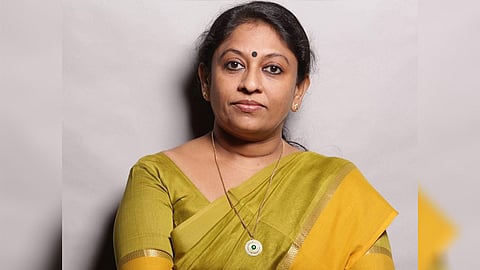
Acclaimed Malayalam writer KR Meera has strongly defended her novel Kalachi amid an ongoing controversy over alleged similarities with Haritha Savithri's Sahitya Akademi-winning novel Zin, arguing that the book's central plot, characters and setting had already been publicly established when it began serial publication online in November 2020, nearly two years before Zin was published.
In a detailed Facebook post, Meera said the seed of Kalachi was planted in her mind in 2013 after she learned about the mysterious sleeping sickness reported in the village of Kalachi in Kazakhstan. She said she began writing the novel in 2019 and started publishing it as a series on the TrueCopy Think web magazine from November 16, 2020.
According to Meera, the very title Kalachi made its geographical setting clear, while the first chapter published in 2020 had already laid out the novel's central narrative revolving around Dr Fida Muhammad's long and mystical journey in search of researcher Ijaz Ali, who is imprisoned in Kalachi.
"The complete plot was already evident in the first chapter itself," Meera argued, adding that the novel was rooted in the backdrop of the 2019 citizenship protests and the pandemic that followed.
Although Kalachi was published in book form only in 2025, Meera alleged that many people were deliberately ignoring the fact that the novel had been available publicly in serialised form since 2020.
"A novel that began publication in November 2020, did it derive its idea from a book published in 2022, or did the 2022 book derive ideas from a novel already being published in 2020?" she asked, urging readers to compare the themes, periods, narrative techniques, characters and countries in which the stories unfold before reaching conclusions.
The writer also defended the extensive research behind her work, stating that she personally visits locations featured in her novels as part of her writing process. Referring to works such as Aarachar, Meerasadhu, Yudasinte Suvishesham, Ghathakan and Ellavidha Pranayavum, she said she had always travelled to the locations she wrote about before publication.
Meera revealed that she had been determined to visit Kalachi in Kazakhstan after imagining it in her writing. Attempts to travel there in 2020 were disrupted by the Covid-19 pandemic, while a second attempt in 2021 failed due to border closures linked to internal unrest.
“In 2022, within days of Kazakhstan resuming flight services, I set out on the journey.I was certainly not dreaming in 2022 that a writer would publish her debut novel that year, so that I could read it and draw inspiration from it,” KR Meera says.
“From Astana, the village of Kalachi can only be reached by a six-hour car journey. In the appendix to Kalachi, I have written in detail about that drive through deserted roads in the middle of vast grasslands amid rain and snow,” she added.
Haritha Savithri later responded to Meera's post, saying she had long admired the senior writer.
"There was a time when I wished I could meet this writer one day, hug her and even kiss her fingers," Haritha wrote, recalling how she had enthusiastically shared a photograph of Kalachi when she first received the book.
However, she said her excitement faded after reading the novel and that she had openly conveyed her concerns to Meera's husband on January 8 this year.
Haritha said she initially chose to ignore the similarities she felt existed between the books, dismissing them as a personal impression. She noted that after reading Kalachi, she continued to interact warmly with Meera, including meeting her at a literary festival and taking photographs together.
According to Haritha, the issue resurfaced only after numerous readers began repeatedly discussing with her the similarities they had noticed between the two novels.
"The discomfort I felt kept growing," she wrote.
Haritha said her original Facebook post was intended only as a reflection on the general nature of literary appropriation and was a way of processing her own feelings. She stressed that she had deliberately avoided mentioning either Meera or the titles of the books involved.
Even when readers brought up the similarities in the comments section, she said she refrained from giving direct answers.
The controversy widened after Facebook user Biji Daniel published a post discussing similarities between the narrative threads of the two novels. Haritha said she neither shared, liked nor commented on the post and regarded it as a reader's right to express an opinion.
According to her, the debate escalated after another Facebook user, Radhika C Nair, took up the issue. Haritha argued that posts highlighting Kalachi's serial publication from November 2020 did not mention that only the first six chapters had appeared online.
She claimed this omission created the impression that she had copied a novel published in 2020 and republished it as Zin in 2022.
Haritha reiterated that she was not alleging "copy-pasting" or direct plagiarism. Instead, she maintained that there were fundamental similarities between the books and that these could have been avoided.
"Writers thinking alike is nothing new," she wrote. "But I know that she read Zin when it was published. Knowing what the book contained, certain basic similarities that crept in could have been avoided. Had that happened, such controversies would not have arisen."
Haritha also argued that the issue might never have moved beyond a few Facebook discussions had others not repeatedly revived it through posts and debates.
The controversy centres on a similarity noted by readers: both novels feature women travelling into conflict-ridden regions in search of their lovers. Zin follows Seetha's journey to Diyarbakir in Turkey amid the backdrop of Kurdish resistance, while Kalachi follows Fida's journey connected to Kazakhstan.
Haritha's Zin was published in 2022 and won the Sahitya Akademi Award in 2023. Kalachi was published as a book in 2025, though Meera maintains that its narrative, characters and central plot had already been publicly established through its serialised publication beginning in 2020.
While supporters of both writers continue to debate the issue online, literary observers have pointed out that the novels differ significantly in their political contexts, themes, settings and narrative concerns. Nevertheless, the discussion over whether the similarities are coincidental, inevitable or avoidable continues to generate heated debate across Malayalam literary circles and social media.
Follow TNM's WhatsApp channel for news updates and story links.
