
Subscribe
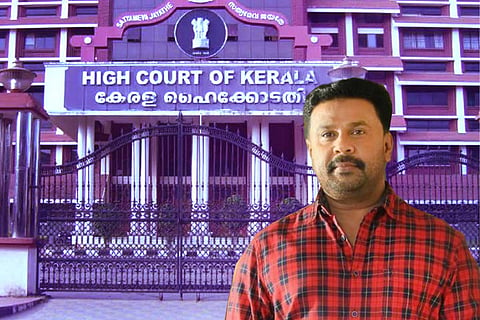
The Kerala High Court, on Monday, August 21, appointed advocate Renjith B Marar as amicus curiae to help the court in formulating guidelines to ensure the safety of electronic documents in judicial custody. The issue came to the notice of the court while it was considering a plea moved by the survivor in the 2017 actor assault case, alleging foul play in the investigation. Actor Dileep is accused to be the mastermind behind the assault.
A forensic report in 2022 revealed that the memory card that had visuals of the sexual assault was accessed more than once in 2018 – once in January and once in December. On January 9, 2018, when the memory card was illegally accessed, it was in the custody of the Angamaly Magistrate Court. By December 2018, it was with the Ernakulam Principal and Sessions court. The FSL report also said that eight video files in the memory card were accessed on December 13, 2018.
The report further said that the hash value of the memory card had changed in the years. This indicated that something had been changed within it. The FSL report had led to questions on who accessed the memory card, why and with whose assistance.
In her plea, the survivor alleged that the advocates representing Dileep, against all ethical and legal norms, interfered with the administration of justice by tampering with evidence and illegally influencing material witnesses. The plea also pointed out that evidence, the FSL report, has already been published in the media and the fundamental right of the petitioner to a fair trial and her right to privacy guaranteed under Article 21 (Protection of Life and Personal Liberty) of the Constitution were violated. She also pointed out that the visuals of the assault were tampered with even though they were stored in a memory card which was in the custody of the court conducting the trial in the case.
"The illegal access tampering transmission of the contents of the memory card while it is in the custody of the court also attracts offences punishable under sections 201 [causing disappearance of evidence of offence], 204 [destruction of document to prevent its production as evidence] of the Indian Penal Code and also section 67A [punishment for publishing or transmitting of material containing sexually explicit act, etc., in electronic form] of the Information Technology Act 2000 which are cognizable offences to be investigated by the police," the plea said. The survivor sought the intervention of the High Court to ensure a fair and impartial investigation and trial.
Hearing the plea, the court pointed out that unlike most other cases, the memory card is the direct evidence in this case and, therefore, appointed Marar as amicus curiae to suggest guidelines to ensure the safety of electronic documents in judicial custody.
(With IANS inputs)
