
Subscribe
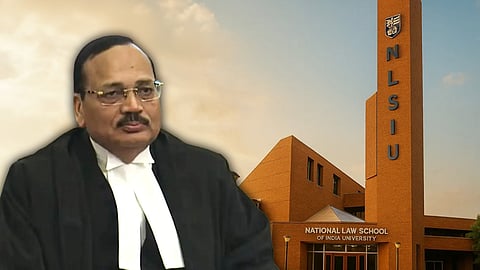
After cancelling its convocation ceremony following student opposition to Chief Justice of India Surya Kant presiding over it, the National Law School of India University (NLSIU) has decided to hold the ceremony on October 17. In a statement, the Governing Board of NLSIU’s Alumni Association said that the decision was made after considering the “larger interests, aspirations, and legitimate expectations of the graduating students.” Initially, the convocation was slated to be held on September 12. Though the date for a new convocation has been announced, it is unclear whether the CJI will attend the ceremony. The CJI is the chancellor of the university.
“The Governing Board of the Alumni Association of the National Law School of India University has been engaged in sustained dialogue with NLS and other stakeholders, including the Hon’ble Chief Justice of India. Our objective throughout has been to support the graduating students and to facilitate a Convocation that appropriately honours this significant milestone in their academic journey. As already communicated, the 34th Annual Convocation will be held on October 17, 2026,” the statement reads.
The students of NLSIU had earlier objected to Justice Surya Kant attending their convocation, which was scheduled to be held on September 12. Citing this, on August 15, NLSIU students issued a statement expressing solidarity with NALSAR Hyderabad graduates after Bar Council of India Chairman Manan Kumar Mishra threatened to prohibit their enrolment in the bar. NALSAR students and faculty had objected to CJI Surya Kant and the BCI chairman attending their convocation.
Though NLSUI tried to mediate a compromise with the students, many were not agreeable to issuing a public invitation to the CJI. Finally, on August 26, the Registrar announced that the convocation would be cancelled.
Why was NLSIU convocation cancelled? A meeting with the CJI, followed by a demand students rejected
The NLSIU Alumni have now stated that it has engaged with the students and the CJI over the past few weeks, and “the overwhelming sentiment is that a substantial majority of the graduating students are keen that they be conferred their degrees at a formal convocation.” The statement further notes that during its meetings with the CJI, the office bearers of the alumni association were “received with warmth and accorded a cordial and attentive audience, with their views and concerns being given thoughtful consideration.”
“Receiving their degrees at a formal Convocation, in the presence of their families, faculty, and other dignitaries carries considerable significance for them and their families. This had been conveyed to the Hon’ble CJI,” the alumni association’s statement reads.
