
Subscribe
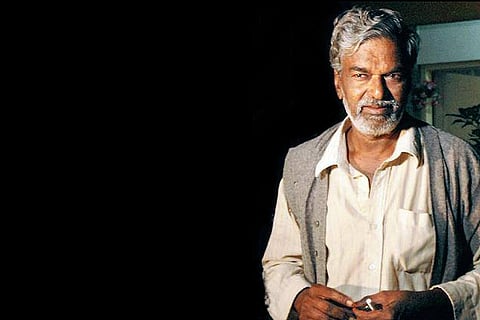
Renowned Kannada writer and social activist Devanura Mahadeva was honoured with the prestigious 2024 Vaikom Award for social justice by the Tamil Nadu government. The award was presented by TN Chief Minister MK Stalin during the inauguration of the Vaikom Periyar Memorial Building in Kerala on Thursday, December 12. The award recognises Mahadeva’s exceptional contributions to literature, his relentless advocacy for marginalised communities, and his lifelong fight against caste discrimination and oppression.
The Vaikom Award was instituted in 2023 by the TN government to honour individuals or organisations across India embodying the values of equality and justice. Named after the historic Vaikom Satyagraha (1924–1925), the award commemorates the movement’s legacy of challenging caste-based discrimination and enabling temple entry for all castes. The movement, spearheaded by Mahatma Gandhi and Periyar, marked a pivotal moment in India’s struggle against untouchability.
The award includes Rs 5 lakh in cash, a medal, and a certificate of appreciation.
Born in 1948 in Devanuru, Karnataka, Mahadeva has been a steadfast advocate of social justice and empowerment. His literary works, though not copious in volume, have had a monumental impact, earning him accolades like the Sahitya Akademi Award and the Padma Shri. Odalaala (1978) and Kusumabale (1988), for example, delve into the lived experiences of Dalit communities. In 2015, he returned the Padma Shri and Sahitya Akademi Award in protest against rising intolerance in India, after a Muslim labourer was lynched for allegedly consuming beef.
Mahadeva’s activism extends beyond literature. As a founding member of the Dalit Sangharsha Samiti (DSS), he has championed land rights, education, and participatory democracy for marginalised groups. His vision draws from the philosophies of Dr BR Ambedkar and Mahatma Gandhi. Ram Manohar Lohia’s advocacy for social justice, caste equality, and economic democracy also deeply influenced his activism and shaped his role in the DSS.
The writer is also known for his critical analysis of the Rashtriya Swayamsevak Sangh (RSS). His 64-page booklet, RSS: Aala Mattu Agala (RSS: The Long and the Short of It in English), dissects the organisation’s ideological pillars, including its adherence to Varnashrama Dharma, Aryan supremacy, and its opposition to constitutional federalism. The book, freely available for reprinting, has been published in multiple languages, with over 3 lakh copies sold across India.
Follow TNM's WhatsApp channel for news updates and story links.
