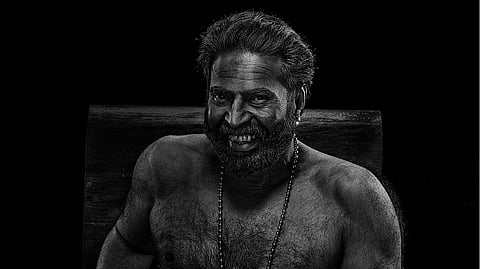

Malayalam cinema marked a historic global milestone as Bramayugam, starring Mammootty and directed by Rahul Sadasivan, was screened at the Academy Museum of Motion Pictures in Los Angeles. The film was the only Indian entry selected for the museum’s special series, Where the Forest Meets the Sea: Folklore from Around the World.
The screening took place at the Ted Mann Theater at 9 am (International Standard Time) on February 12, with tickets starting at $5. The programme celebrates world cinema rooted in folklore, myth and horror, placing Bramayugam alongside distinctive global voices.
The museum, established by the Academy of Motion Picture Arts and Sciences, is known for celebrating not just Hollywood but the diversity of world cinema. The screening of a black-and-white Malayalam film at such a prestigious venue is being described as a proud and rare moment for Indian cinema.
Sharing the moment on social media, Mammootty expressed excitement at seeing the film screened as the only Indian selection in the special series. Director Rahul Sadasivan termed the selection a meaningful milestone for the film and Malayalam cinema.
Set in 17th-century Malabar, the film follows Thevan, a folk singer played by Arjun Ashokan, who escapes Portuguese soldiers only to reach the mysterious mansion of Kodumon Potti, played by Mammootty. Rooted in Kerala folklore of yakshi and chathan, the narrative unfolds as a dark tale of power, greed and oppression.
According to reports, the film’s black-and-white imagery left foreign audiences “awe-inspired,” with many observing that the absence of colour enhanced the mystery of the 17th-century setting. Viewers noted that universal themes of “power, greed and human degradation” resonated beyond cultural boundaries.
Many international viewers compared the film to acclaimed folk-horror works such as Midsommar, The Witch, The Lighthouse, Tumbbad and the Japanese classic Onibaba, citing its eerie mood, limited characters and psychological depth.
Viewers also remarked that “the film was able to tell the story through visuals even for those who did not understand the dialogues,” praising the international-standard play of light and shadow. The sound design, including subtle elements like rain, clinking utensils and eerie laughter, heightened the atmosphere, while Christo Xavier’s score was said to match “the standard of an international horror film.”
